Thermal-Ready Blocks: Why CROSSBLOCKS Keep Your Home Cooler Than CHB
In Cebu's tropical heat, your walls decide how your home feels. CROSSBLOCKS are thermal-ready interlocking blocks engineered with built-in air chambers that slow the heat down — something traditional concrete hollow blocks (CHB) were never designed to do.
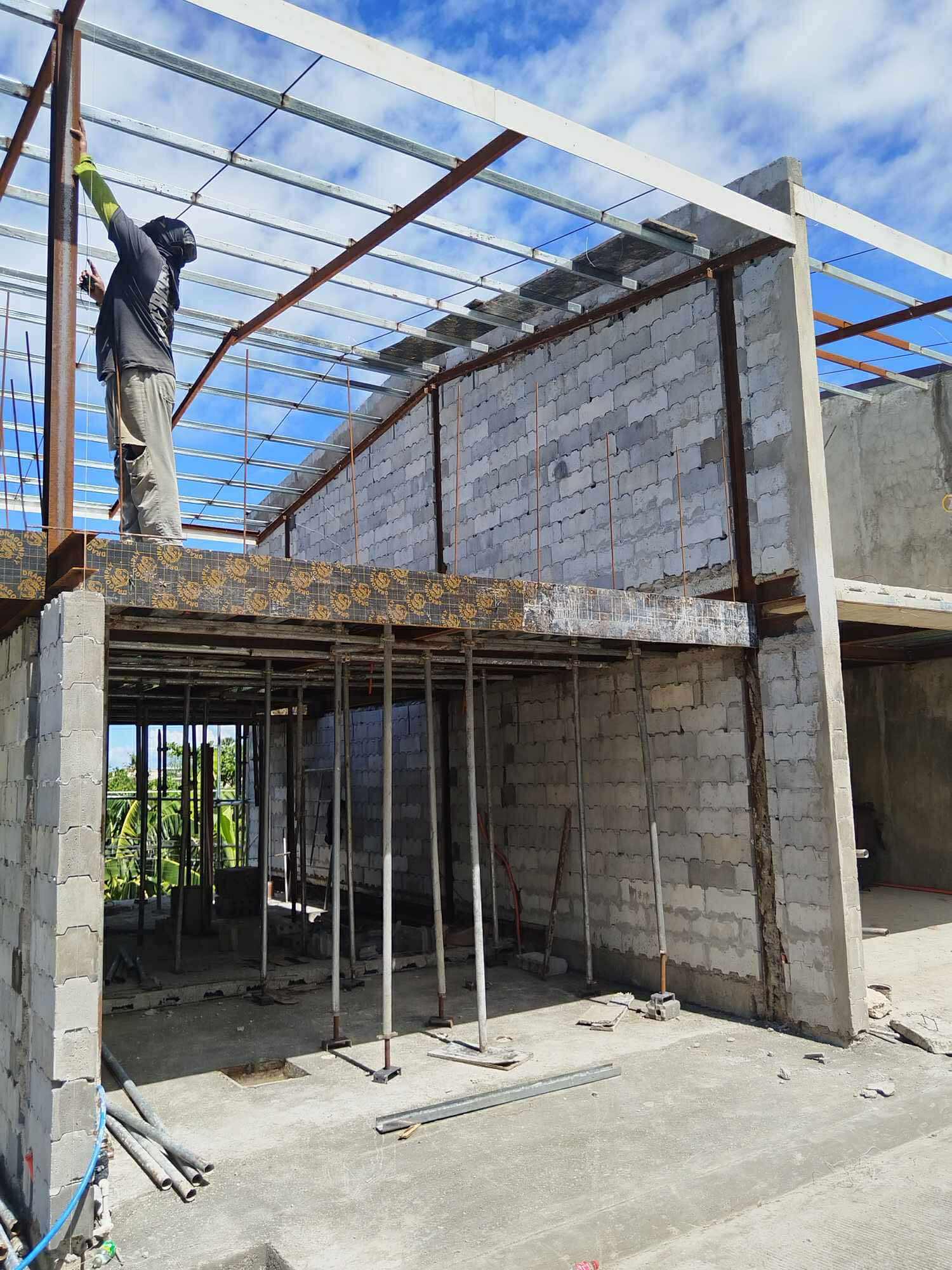
Anyone who has lived through a Cebu summer knows the feeling: the sun sets, but the house keeps radiating heat late into the night. That heat came through your walls — and stayed there. The material you build with is one of the biggest factors in how hot your home gets and how hard your electric fan or aircon has to work.
What Does "Thermal-Ready" Mean?
A thermal-ready block is designed to resist heat transfer from the outside of your wall to the inside. CROSSBLOCKS achieve this through their interlocking hollow-core design, which creates enclosed air chambers inside the wall. Air is one of nature's best insulators — trapped air transfers heat far more slowly than solid concrete. Those chambers act as a thermal buffer between the hot exterior face of the wall and your living space.
Because the blocks are machine-molded to a precise, uniform shape, the chambers line up consistently through the whole wall. The result is a wall that heats up more slowly during the day and releases less stored heat into your rooms at night.
Why Traditional CHB Walls Get Hot
Traditional concrete hollow blocks do have holes — but the way a CHB wall is built works against them:
- Continuous mortar joints. Every layer of CHB is bedded in solid mortar. Mortar is dense and conducts heat well, so each joint becomes a thermal bridge that carries heat straight through the wall, bypassing the hollow cores.
- Thick plaster on both faces. CHB walls need heavy plastering to look finished. That extra dense material adds thermal mass that soaks up the afternoon sun and radiates it indoors well into the evening.
- Inconsistent quality. Many locally made CHB are hand-molded and porous. Porous blocks absorb moisture and heat, and their thin, irregular walls offer little resistance to either.
CROSSBLOCKS vs. CHB at a Glance
| Feature | CROSSBLOCKS (Thermal-Ready) | Traditional CHB |
|---|---|---|
| Insulating air chambers | Enclosed, aligned air pockets throughout the wall | Cores often broken up by full mortar beds |
| Thermal bridging | Minimal — blocks interlock with thin adhesive bonding | High — solid mortar joints on every course |
| Plastering | Thin skim coat only (about 5mm max) | Thick plaster required on both faces |
| Block consistency | Machine-molded, dense, and uniform | Varies widely; often porous and brittle |
| Bonus benefit | Air chambers also help dampen outside noise | Limited sound insulation |
The Benefits You Actually Feel
1. Cooler rooms, day and night. The air chambers slow the sun's heat during the day, and the thinner finishing means less stored heat radiating back at you after sunset.
2. Lower electricity bills. A wall that resists heat means your aircon reaches its set temperature faster and cycles less. In a climate where cooling dominates the monthly bill, that saving compounds every single day.
3. A quieter home. The same trapped air that blocks heat also dampens street noise — a welcome bonus in busy neighborhoods.
4. Comfort without compromise. You don't trade strength for coolness. CROSSBLOCKS are dense, machine-compressed blocks with cores designed for rebar and concrete filling, producing a solid, reinforced, load-bearing wall.
Thermal Comfort Is Just the Start
The same interlocking design that makes CROSSBLOCKS thermal-ready also makes them faster to lay, with no thick mortar beds and no heavy plastering. Fewer wet processes means less labor, less waste, and a cleaner finish — which is why CROSSBLOCKS walls typically come out more cost-efficient than CHB once you count the full bill of materials and labor.
Curious how the numbers compare for your project? Our free calculator breaks down blocks, cement, sand, rebar, adhesive, and labor side by side.
Build cooler. Build smarter.
Compare the full cost of a CROSSBLOCKS wall vs. traditional CHB in seconds — or talk to us about your project in Cebu.
Try Cost Calculator Get a Quote